


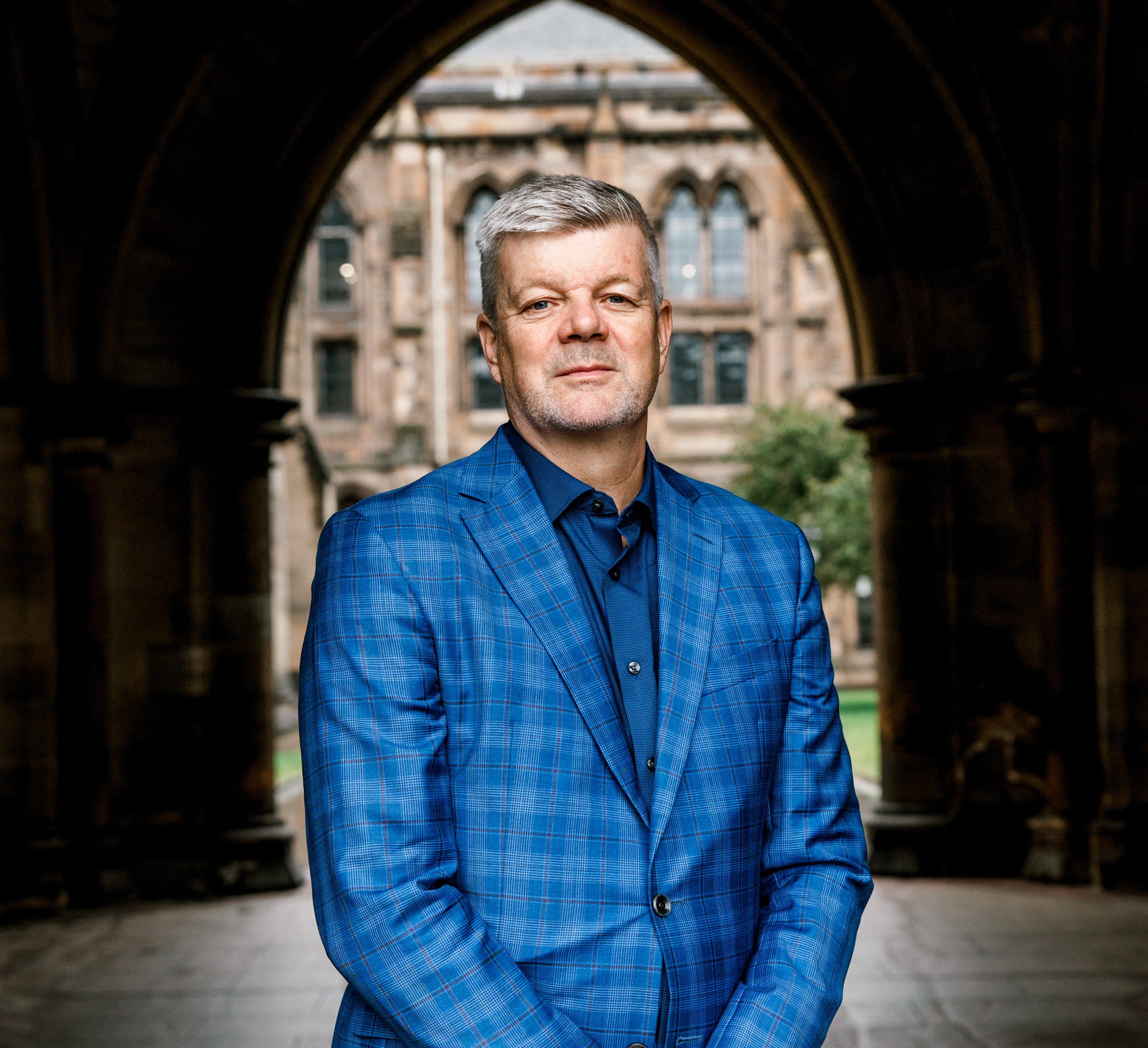
I have just turned 60 and so I’d like to take a break from our regular programming to reflect on what, if anything, has been learned in the process of moving closer to the sunset than the sunrise.
As in golf, there are days when you think you’ve cracked it - that the accumulation of knowledge and experience means you’re destined for a future as a single-digit handicapper.
Those days are swiftly and brutally followed by others that confirm the progressive discovery of ignorance and incapacity.
I am not particularly religious - certainly not in the sense of a personal God who rewards and punishes us. But I do identify with Albert Einstein’s comment that we all dance to the mysterious tune intoned by an invisible piper. The smartest man of the 20th century was in awe of the harmony of the universe, a grand orderly design that we can scarcely comprehend. Einstein believed everything is connected, that energy is not created or destroyed; it is simply changed from one form to another.
He compared humanity to children entering a huge library. The child, he said, knows someone has written the books and that they are placed in some kind of order. But the key to that order is a puzzle.
Pride lulls us into thinking we have more control over our destiny than is the case. The surge of technological advances compounds the sense of disorder. I am like a Nokia cellphone in a world of ambient AI wearables, almost inviting the advancing years and the relief they will provide from the need to keep up.
It’s not all downhill. There is the easing of the male libido, with, in Plato’s words, “its bondage to a raging madman”.
Age does offer some insights into the human condition and the road, if not to happiness, then at least a contentment that allows for a quiet mind and “sleeps that beguile the night”.
I am a disciple of Adam Smith and his belief that private enterprise can turn individual selfishness into useful social outcomes. But the expression by the great economist that has had the greatest impact on me was his contention that nothing much can be added to the happiness of a person who is in health, out of debt and has a clear conscience.
The support of a loving family is perhaps one thing that Smith overlooked. We are all the continuation of the generations that have gone before us and part of us will survive through our children. To be tangled in a web of unconditional love is a comfort.
While I sympathize with Einstein and his invisible piper, that does not mean I think we completely surrender freewill. There is a value to determination, best summed up by Tennyson when he said, while much is taken, much abides “to strive, to seek, to find and not to yield”.
The journey into our latter years is - or should be - taken on the road to character. As David Brooks wrote in his book of the same name, maturity is earned by being better than we used to be - dependable in times of stress; straight in times of temptation. People of character are not indefinitely flexible, they are anchored by permanent attachments to important things, he said. The realization that the universe is guided by laws beyond our comprehension does not provide an excuse to float freely, without conviction.
Rather, aging gives us the opportunity to be the people we always wanted to be.
We have the perspective to dismiss praise and criticism; to disregard rewards and penalties. Oldsters live in the present and don’t worry too much about the future.
I genuinely don’t want or need anything from anyone beyond my immediate family. That is the recipe for contentment and it becomes more achievable as we get older.
Beyond the self, what of the wider world?
It’s been my experience over 35 years in journalism to never ascribe to malice things that could be explained by incompetence. As Christopher Hitchens once said, conspiracy theories are the exhaust fumes of democracy.
Our politics rely on the power of reasoned debate, without which democracy cannot function. There needs to be protection against the tyranny of the prevailing opinion, in the form of free speech guarantees.
Rigid egalitarianism focuses on the equality of outcomes, rather than the equality of opportunity, which is more correctly concerned with individual rights. Citizens are the best judges of their own interests and should, as far as possible, be able to act as they wish, as long as no one else is harmed.
Change should be incremental, rather than revolutionary, and based on rules-based Enlightenment institutions, anchored in tradition and designed to undermine tribalism, demonization and authoritarianism.
These are the important things to which I am attached - an agenda that could broadly be described as classical liberalism.
It is an outlook that has gone out of fashion, though I am happy to say that our prime minister shares it, based on my conversations with him over the years.
Perhaps the greatest revelation provided by advancing years is that nothing is so grim that it can’t be alleviated by reading P.G. Wodehouse. When I despaired of my greying locks, I was relieved to learn from the great man that there is a cure. “It was invented by a Frenchman. It is called the guillotine.”
If you have made it this far, thank you for indulging me and please forgive the ramblings of a disordered mind.
CULTURAL CODA
TOP 10 ALBUMS
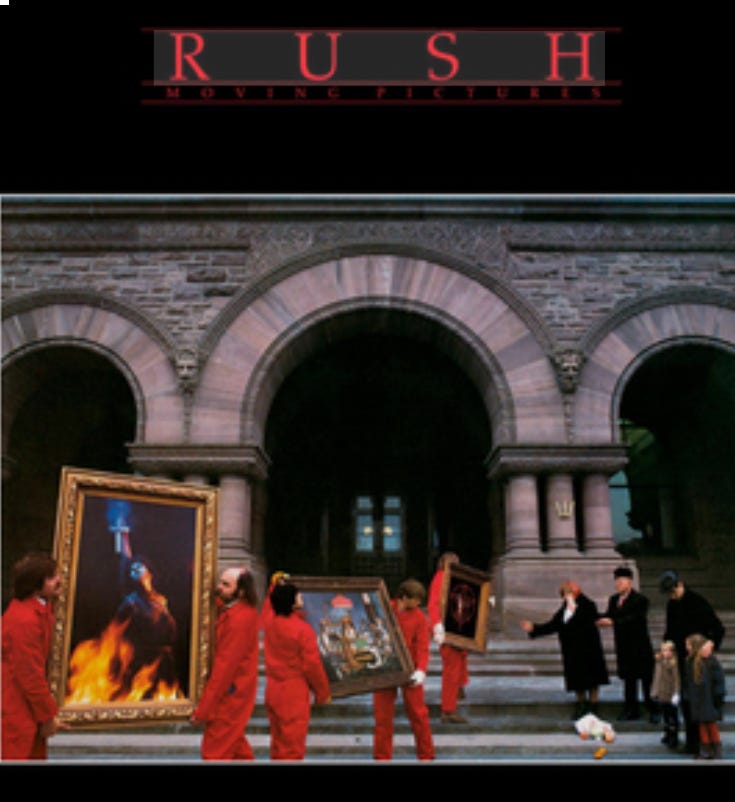
Moving Pictures - Rush
Abbey Road - The Beatles
Dark Side of the Moon - Pink Floyd
Out of the Blue - ELO
Love Over Gold - Dire Straits
Aja - Steely Dan
Hymns from the 49th Parallel - K.D. Lang
Clutching at Straws - Marillion
Grace - Jeff Buckley
Workers Playtime - Billy Bragg
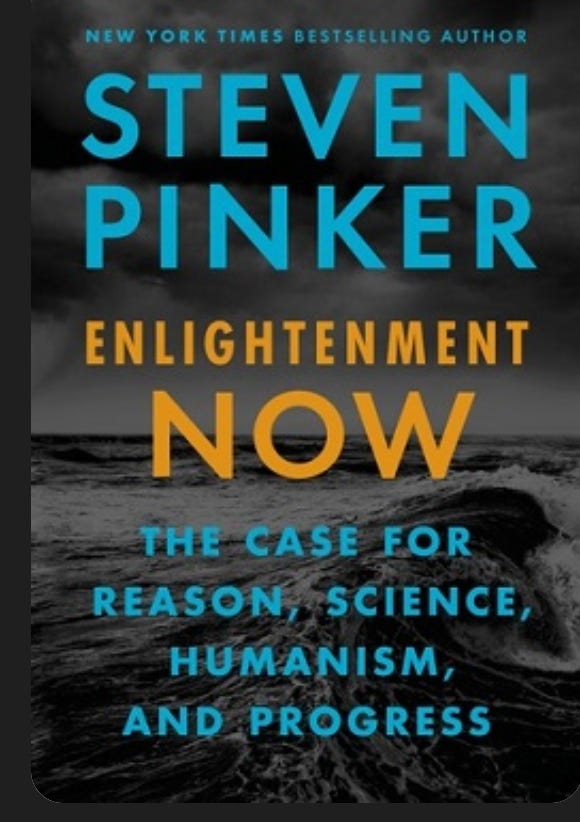
TOP 10 BOOKs (non-fiction)
Steven Pinker - Enlightenment Now
Doris Kearns Goodwin - Team of Rivals
Roy Jenkins - Churchill: A Biography
Winston Churchill - My Early Life
Stephen Ambrose - Undaunted Courage
Erik Larson - The Splendid and the Vile
David Brooks - The Road to Character
Mark Twain - The Innocents Abroad
Pierre Berton - The Last Spike
Michael Ignatieff - Fire and Ashes
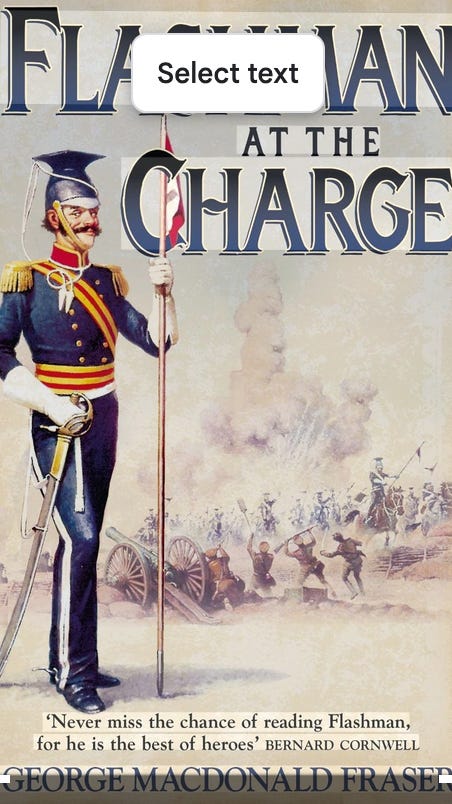
TOP 10 BOOKS (fiction)
George MacDonald Fraser - Flashman at the Charge
Cormac McCarthy - The Road
Amor Towles - A Gentleman in Moscow
C.J. Sanson - Dissolution
Gabriel Garcia Màrquez - One Hundred Years of Solitude
William Boyd - The New Confessions
Robert Harris - The Second Sleep
Hilary Mantel - Wolf Hall
Larry McMurtry - Lonesome Dove
John Updike - Rabbit at Rest
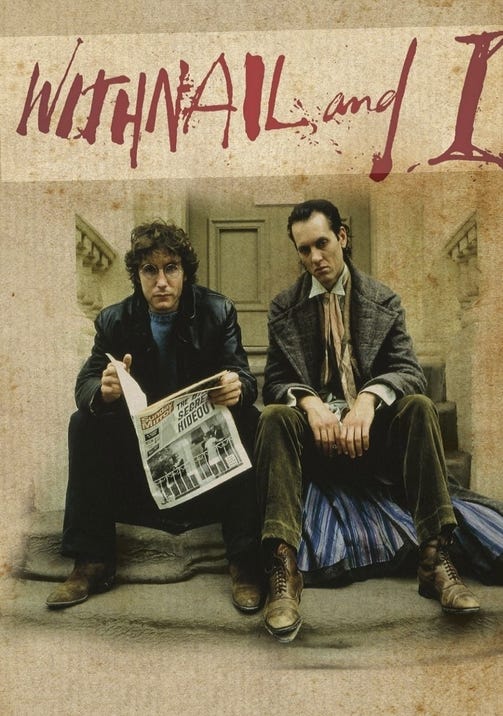
TOP 10 MOVIES
Withnail and I
Local Hero
Gregory’s Girl
Life of Brian
Butch Cassidy and the Sundance Kid
It’s a Wonderful Life
Trainspotting
Dunkirk
Lord of the Rings - Return of the King
Shawshank Redemption
I turned 80 in April. I agree with you, aging gives us opportunities to be who we want to be. There are still some 'rough edges' but not the anxiety to smooth them out 'yesterday', or, at all. And you are right about one's family - when my oldest granddaughter learned to make raspberry jam with her mother last weekend, she texted me to tell me how connected she felt to her mom, and me, who taught her mom. Once considered 'little things' now become what the heart deeply believes are the truly 'big things'.
Best line: “Rather, aging gives us the opportunity to be the people we always wanted to be.”
Also — wait til you hit 75 like I will in a few days. The only problem is all that extra knowledge in your head is sometimes difficult to express in a verbal form — as you attempt to demonstrate how much more you now know (or “realize).
That phenomenon would be the old guy brain who knows he knows something but just needs more time to check where he put it — in the brain shelves of stuff.